

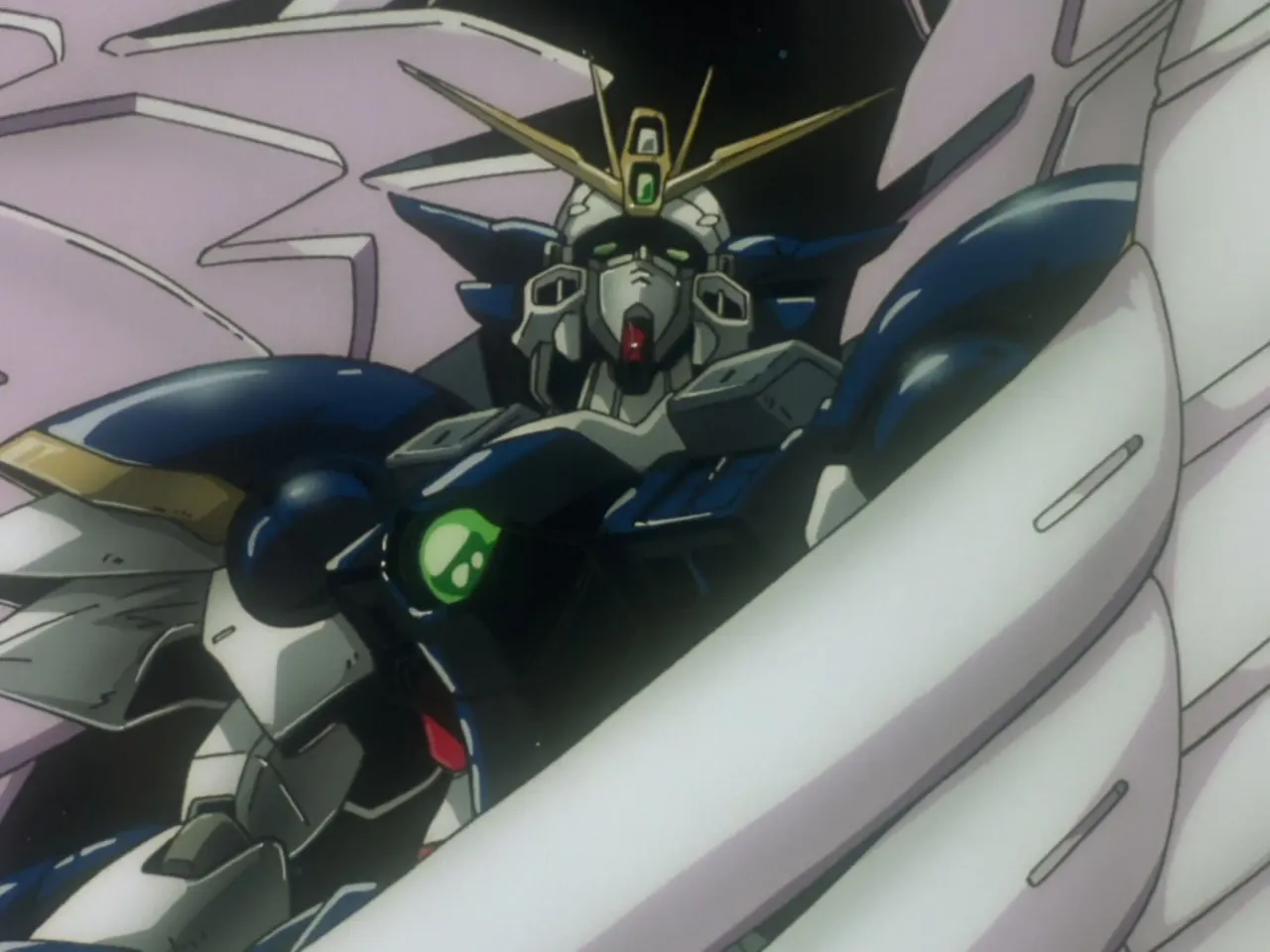

Mobile Suit Gundam Wing was one of the pillars that cemented anime's success in the West through the Toonami block in the early 2000s. Shortly after the original series premiered, the short-form production Mobile Suit Gundam Wing: Endless Waltz emerged to elevate the franchise's visual quality with mechanical redesigns that are still considered insurmountable aesthetic benchmarks in the mecha genre today.
The visual revolution of Endless Waltz
Originally released as a three-episode OVA, Endless Waltz served as a conclusion to the After Colony timeline. While the TV series faced the usual limitations of a 90s weekly production, this sequel received top-tier artistic treatment. The result was a fluidity of animation and level of detail on the robots that blew audiences away at the time. According to Bandai Namco Filmworks, the intention was to create a definitive visual experience to conclude the journey of the five Gundam pilots.
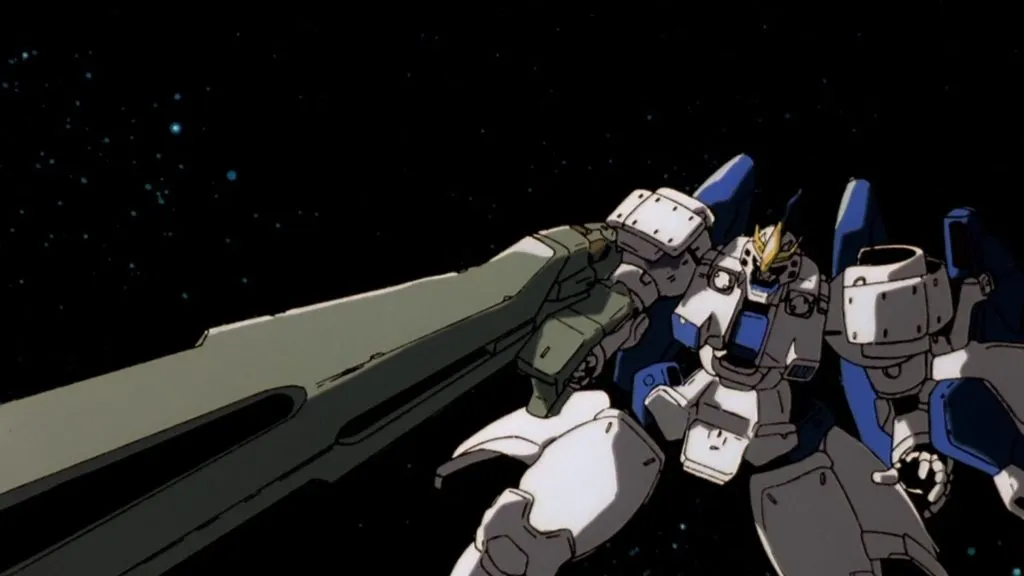
Hajime Katoki's mecha design work
The main standout of this version was the reimagining of the Mobile Suits by designer Hajime Katoki. He took the core concepts created by Kunio Okawara for TV and transformed them into more complex machines. The most iconic example is the Wing Gundam Zero, which traded its mechanical wings for appendages reminiscent of real feathers, giving the robot an almost divine presence. Another highlight is the Tallgeese III, which featured a more aggressive and aerodynamic look compared to its predecessors.
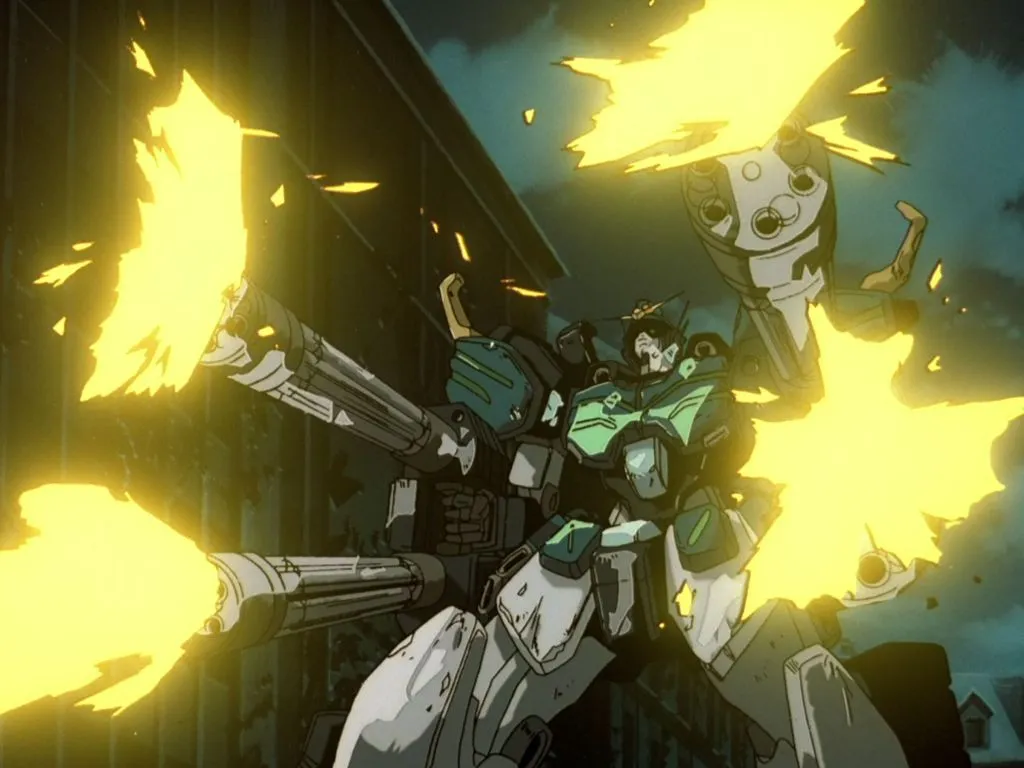
The Heavyarms Custom, piloted by Trowa Barton, also underwent significant changes. In the Endless Waltz version, the robot ditched the vibrant color scheme for dark blue and military green tones, in addition to doubling the number of double Gatling guns on its arms. These changes sought to convey a sense of greater seriousness and raw firepower for the story's final act.
Cultural impact on the Toonami block
The popularity of these designs was so vast that it boosted global sales of Gunpla, the plastic model kits. For many fans who followed the Toonami block, the Endless Waltz versions became the definitive representations of these characters. The warm reception helped pave the way for other entries in the franchise to be licensed outside Japan. "Ver. EW" models continue to be released regularly, proving that the aesthetic established over two decades ago remains timeless.
More about Mobile Suit Gundam Wing
Produced by studio Sunrise, Mobile Suit Gundam Wing was the sixth main series in the Gundam franchise. The story focuses on five young pilots sent from the space colonies to Earth to fight an oppressive organization. Unlike other entries in the franchise set in the Universal Century, this work uses the After Colony calendar, allowing new viewers to understand the story without needing prior context. The series is remembered for its focus on political developments and the ethical dilemmas of using weapons of mass destruction.
Source: ComicBook
