



In Demon Slayer, the line between hero and villain is often drawn by intense personal tragedies that define each character's fate.
The complexity of the Upper Ranks in Demon Slayer
Although they commit unforgivable acts, many of the main antagonists in Koyoharu Gotouge's work were given extremely disturbing backstories. These narratives don't necessarily serve to redeem them, but rather to provide a deep understanding of their psyches and how they ended up as pawns in Muzan Kibutsuji's hands.

Unlike characters like Akaza or Gyutaro, whose stories evoke some sympathy, other villains like Hantengu show that malice was already present since their days as humans. The former Upper Rank 4 was a compulsive liar who murdered his own families even before turning into a demon, proving to be as irredeemable as Muzan himself.
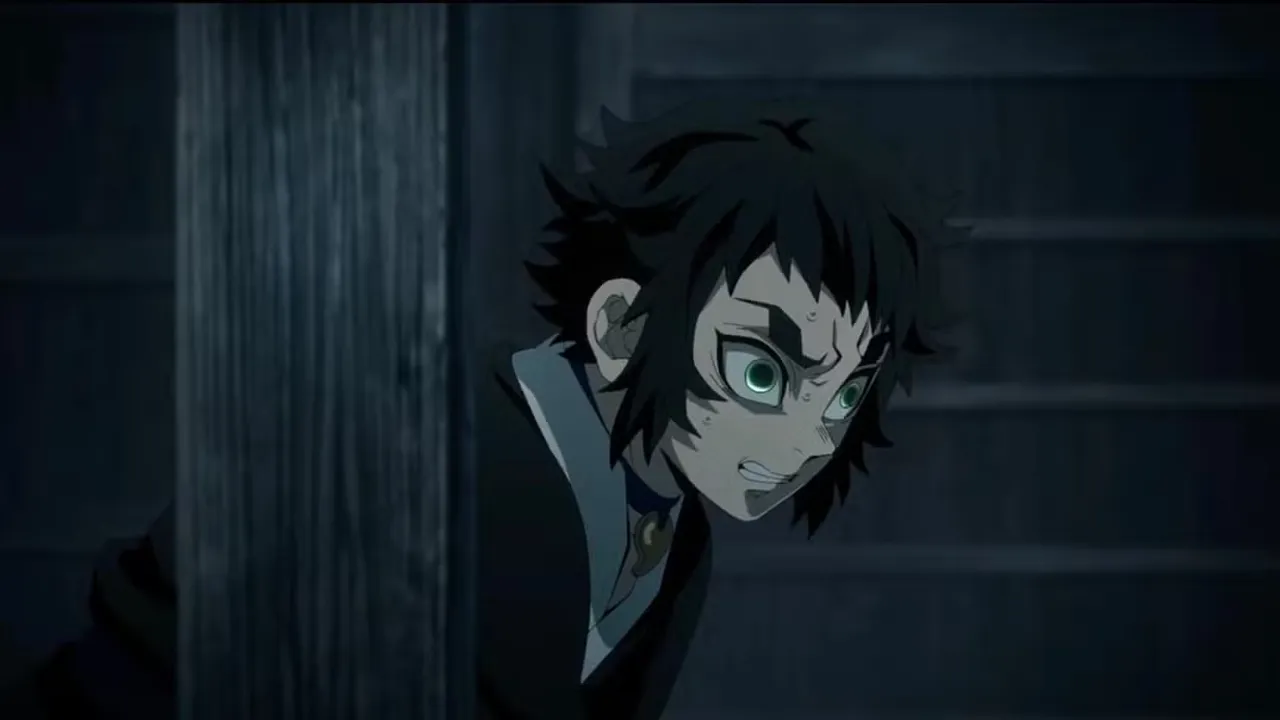
Kaigaku, on the other hand, personifies cowardice and selfishness. A former student of Jigoro alongside Zenitsu, he betrayed his principles out of fear and a quest for power. His villainous nature was revealed earlier when, as a child, he placed the lives of Gyomei and other orphans in absolute danger to save his own skin upon encountering a demon.
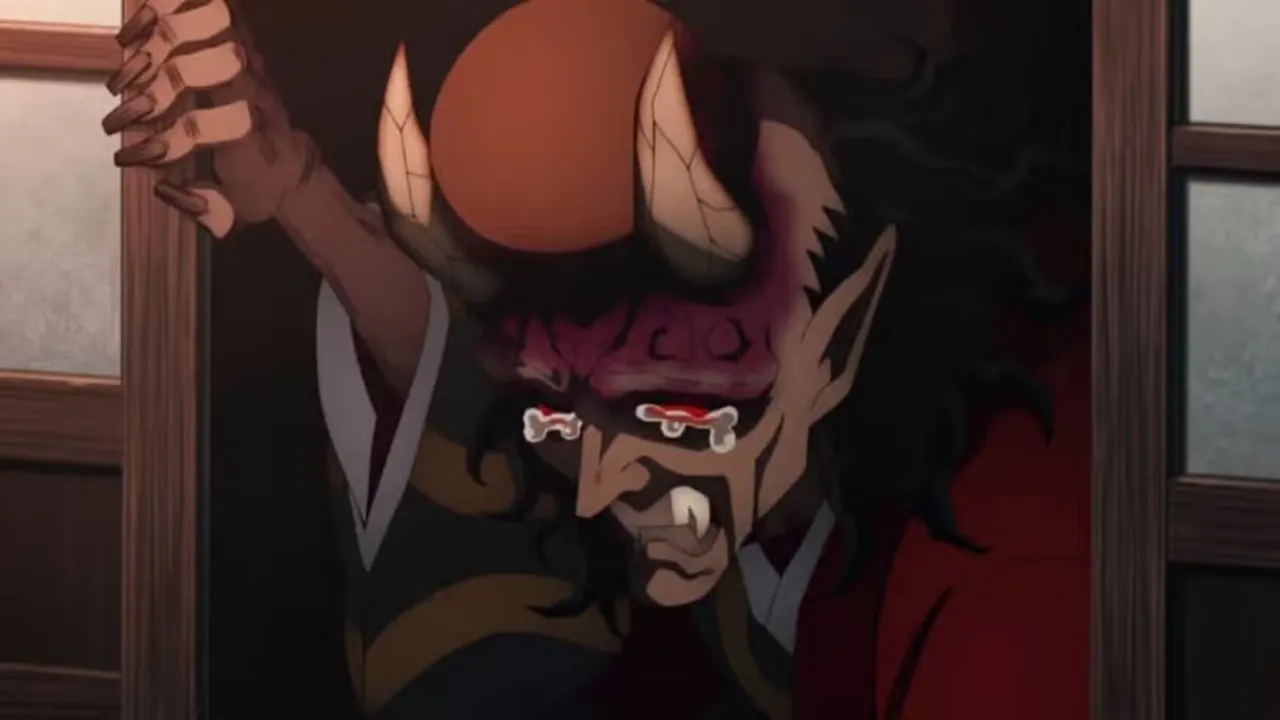
Other cases include Gyokko, who developed a grotesque fascination with corpses after the traumatic death of his parents, and Nakime, the musician who discovered that killing awakened her artistic talent. Even Doma, Upper Rank 2, had a dehumanized childhood, being worshipped as a deity by his parents due to his unique appearance, which deprived him of any genuine human emotion.
More about Demon Slayer
Demon Slayer (Kimetsu no Yaiba) is a global phenomenon that tells the journey of Tanjiro Kamado to cure his sister, Nezuko, and avenge his family. The work is acclaimed not only for its memorable action sequences but also for the emotional depth given to all characters, exploring themes such as loss, family, and the thin line between humanity and monstrosity.
Source: CBR
