

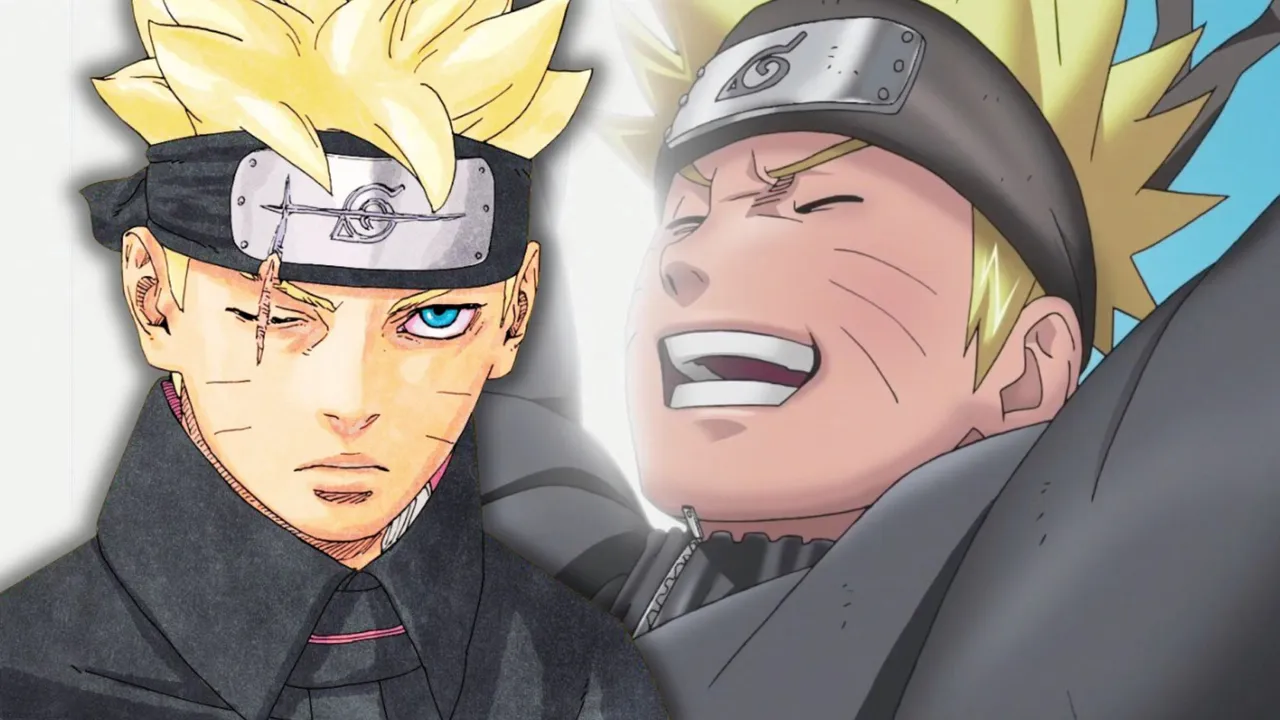

Ever since the original manga debuted in September 1999 in Shonen Jump magazine, the franchise created by Masashi Kishimoto established iconic visual and conceptual elements to define its universe. Recently, the release of the sequel Boruto: Two Blue Vortex brought about a drastic change to one of the most enduring pillars of this nearly three-decade journey.
The significance of the Hokage Monument in Konoha's history
In the very first chapter of Naruto, the Hokage faces carved into the mountain of the Hidden Leaf Village served as the primary representation of the protagonist's goals and the hierarchy of the ninja world. More than just background scenery, the monument symbolized the village's protection, the legacy of past leaders, and Naruto's own quest for recognition from his community.
Throughout years of continuous publication, the monument remained the franchise's trademark. Even after being rebuilt following various invasions and crises suffered by Konoha, the site kept its central role in the series' visual identity.

The twist in the ninja world's new era
The new phase of the story took the narrative in a different direction. The developments in Boruto: Two Blue Vortex have pitted the village against unprecedented threats that call traditional symbols of ninja leadership into question.
Contains spoilers · tap to view
In recent events of the series, fierce clashes and the actions of the new villains resulted in the physical destruction of the Hokage Monument. The loss of this iconic landmark symbolizes the downfall of the old village system and the collapse of the traditional authority that sustained shinobi society for generations.
This narrative choice marks a clear break from nostalgia. By wiping away the greatest symbol of the Naruto era, the manga signals that the traditional goals of the original story no longer apply to the grim world where the new generation must survive.
More about Boruto: Two Blue Vortex
Boruto: Two Blue Vortex is the direct sequel to the Boruto manga, illustrated by Mikio Ikemoto with Masashi Kishimoto providing the script and supervision. The story is set three years after the franchise's timeskip, following an older Boruto Uzumaki who is hunted as an international fugitive after having his identity swapped through Eida's abilities.
The serialized release continues to unravel the mysteries surrounding the Otsutsuki, the Divine Tree clones, and the fate of Konoha, solidifying this phase with a darker tone focused on the evolution of the young ninjas' skills.
Source: ComicBook
