


90s anime represent a fundamental transition period for the Japanese industry, marked by visual experimentation and bold narratives. While titles like Dragon Ball Z and Sailor Moon became global phenomena, several works of high technical quality ended up losing space in the mainstream circuit over the decades.
The Humor and Action of Ghost Sweeper Mikami
Ghost Sweeper Mikami, produced by Toei Animation, is one of the leading examples of supernatural comedy from that era. The plot follows Reiko Mikami, a greedy and talented exorcist who runs her own ghost-hunting agency. The anime balances slapstick humor with dynamic action scenes, exploring Japanese folklore through an urban and modern lens.


The Grandeur of Giant Robo and Nadesico
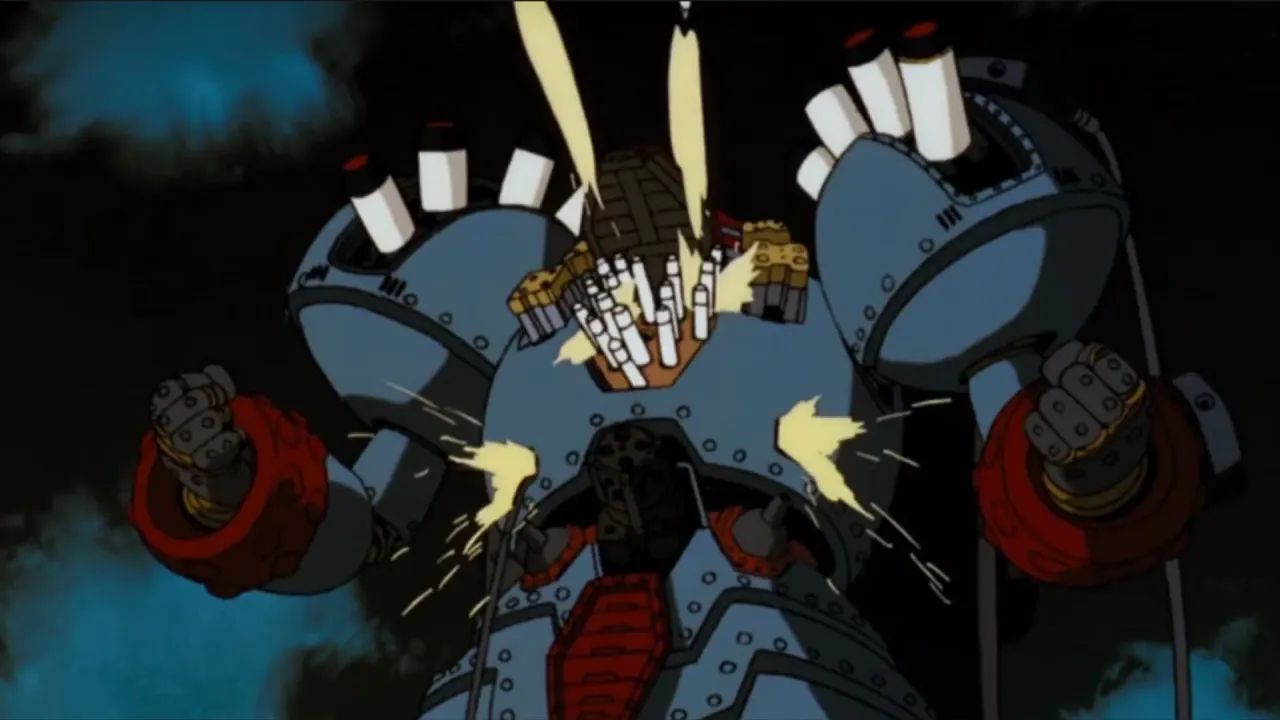
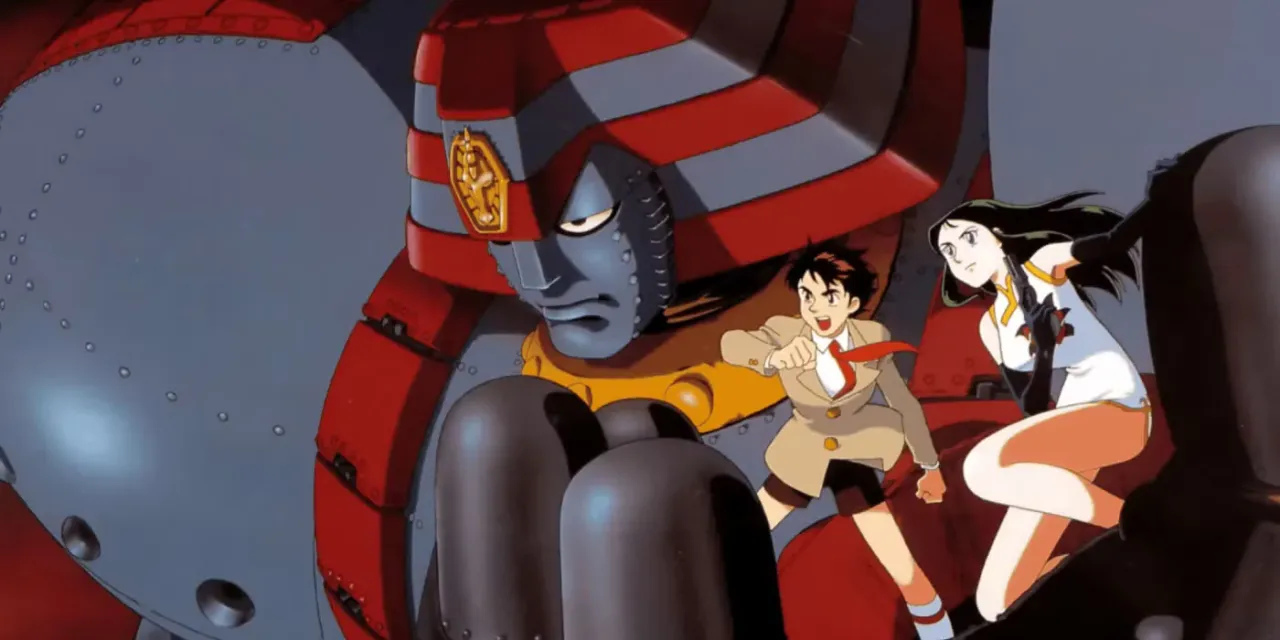
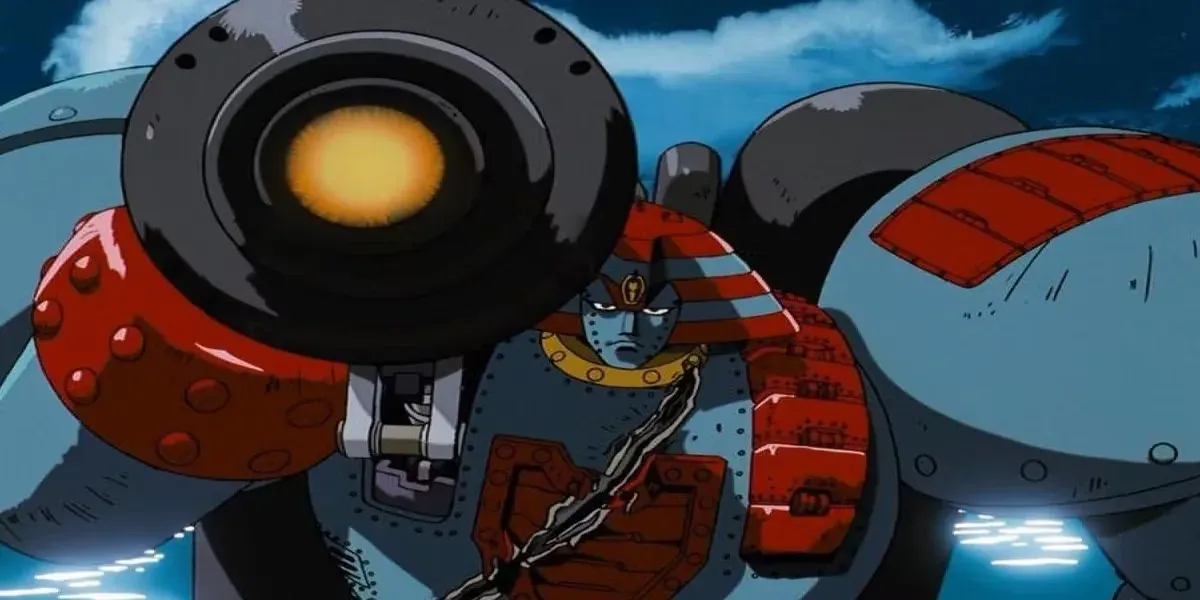
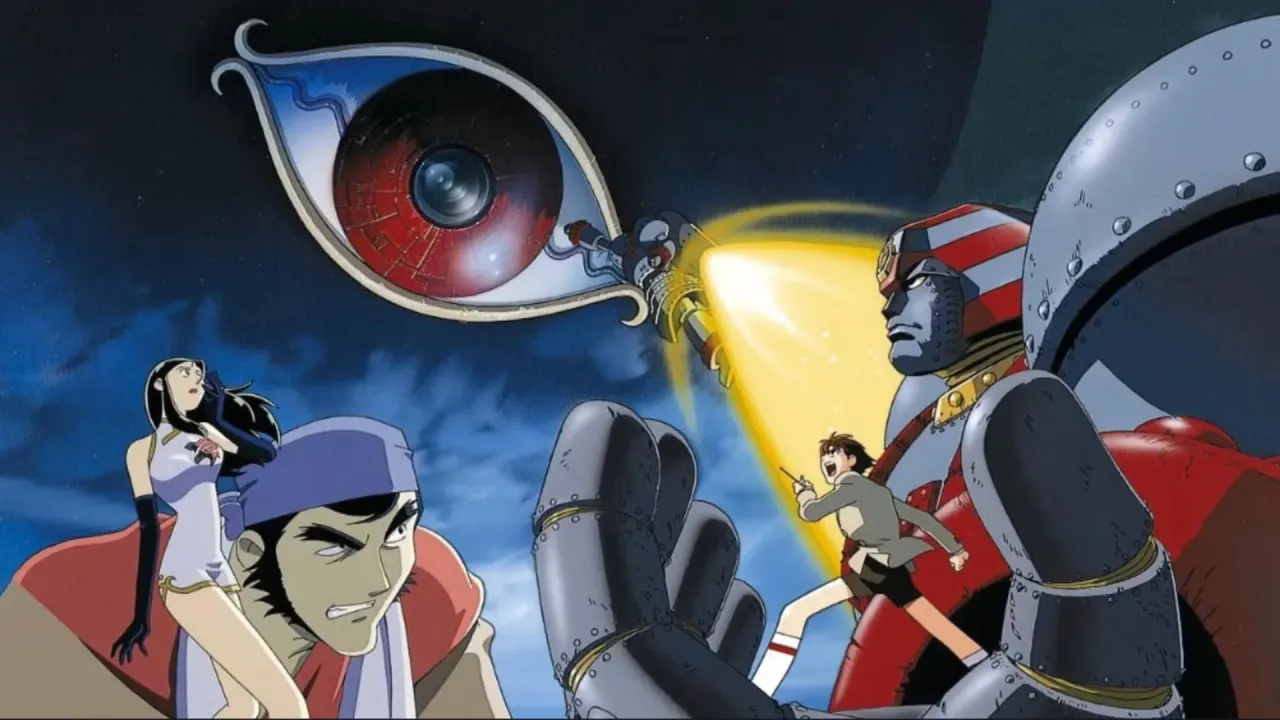
In the mecha genre, Giant Robo: The Day the Earth Stood Still stands out for its retro-futuristic style inspired by the works of Mitsuteru Yokoyama. Directed by Yasuhiro Imagawa, this OVA series is celebrated for its fluid animation and imposing orchestral soundtrack, focusing on the conflict between the Experts of Justice organization and the evil Big Fire.
On the other hand, Martian Successor Nadesico presented a different approach to the genre in 1996. The work from studio Xebec mixes space opera with a clever satire of giant robot tropes, especially influenced by 70s series. The protagonist, Akito Tenkawa, is a cook who becomes a pilot against his will, bringing a more human and critical perspective to the script.

Unusual Isekai and Puppet Thriller
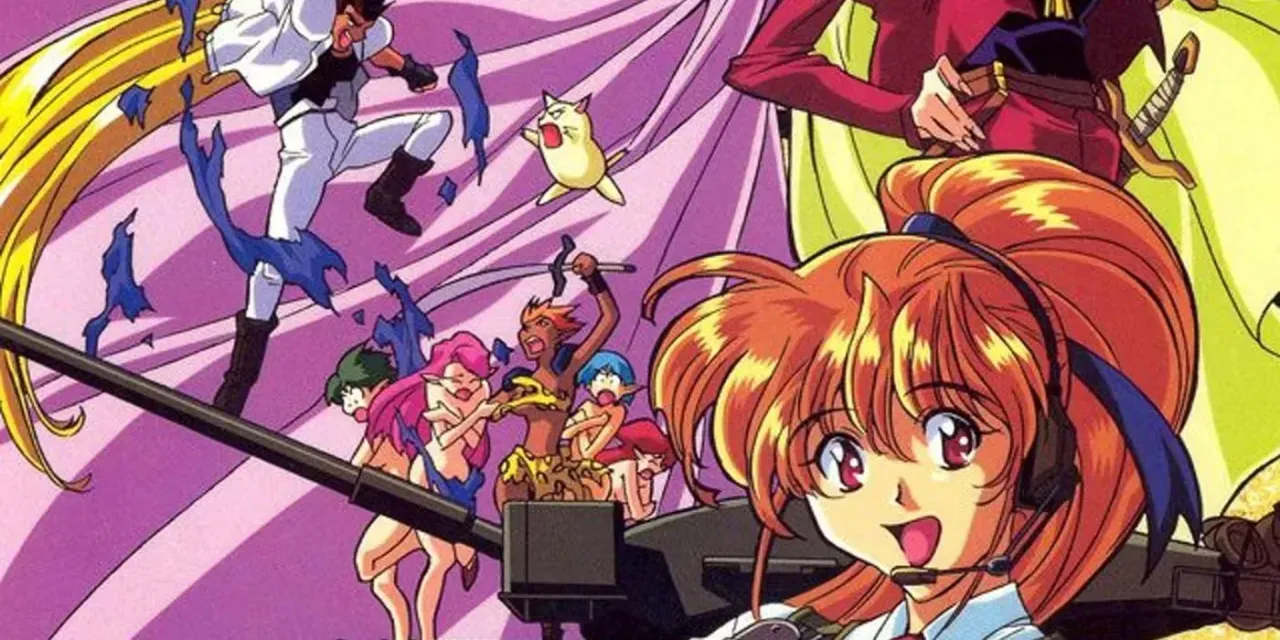
Long before the isekai genre dominated current seasons, Those Who Hunt Elves was already exploring the concept of being transported to another world in a bizarre way. Three humans and a main battle tank are sent to a fantasy kingdom and must find spell fragments tattooed on the bodies of female elves, which results in comical and surreal situations.
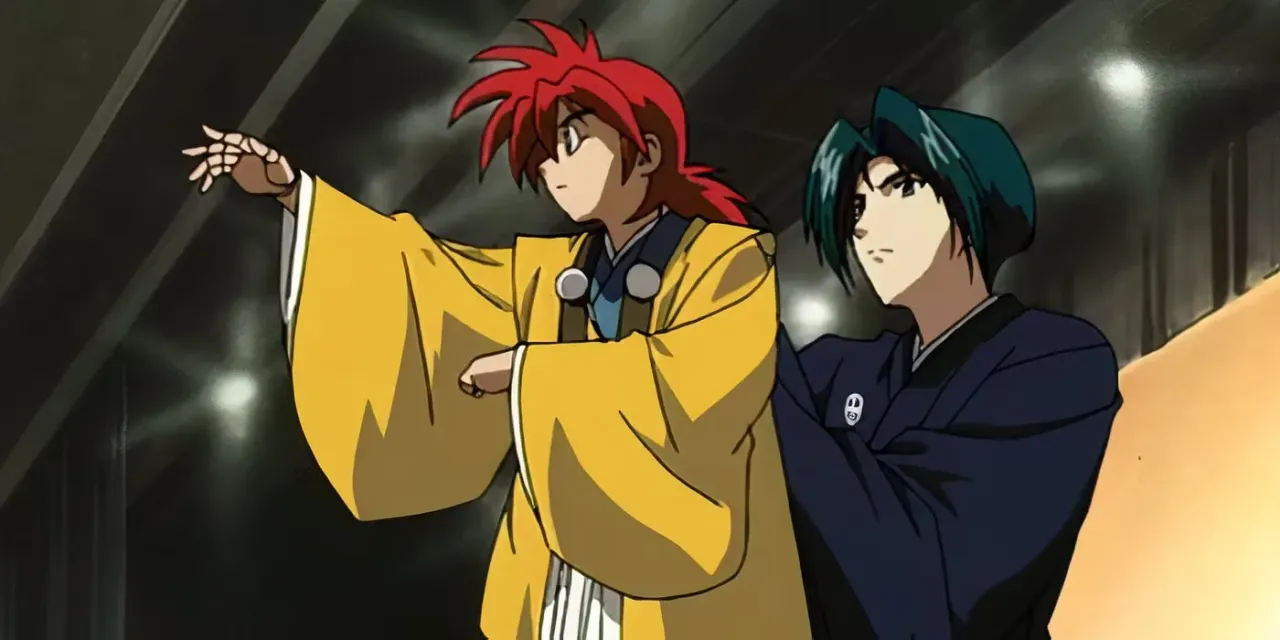
For those who prefer mystery, Puppet Master Sakon (Karakurizōshi Sakon) offers a dense experience. Sakon Tachibana is a ventriloquist who solves complex crimes with the help of his puppet, Ukon. The anime uses a dark atmosphere and traditional Japanese theater to create intriguing cases that challenge the viewer.
The Speed of Cyber Formula and the Drama of Key the Metal Idol
The Future GPX Cyber Formula franchise, from Sunrise, revolutionized the concept of racing anime by introducing artificial intelligences assisting drivers at supersonic speeds. The technical evolution of the series throughout the 90s, especially in the OVAs, set new standards for the representation of technology and vehicle design.

Finally, Key the Metal Idol dives into psychological thriller and science fiction. The story focuses on Tokiko Mimura, a robot who believes she can become human if she can win the hearts of 30,000 people as an idol. It is a dense work that discusses dehumanization in the entertainment industry and the limits of technology.
More about 90s Anime
90s anime are often referred to as the "Golden Age of OVAs" (Original Video Animation). This format allowed for larger budgets and greater creative freedom than TV broadcasts, resulting in visually impactful works like Giant Robo and Blue Submarine No. 6. It was also during this decade that the industry began the transition from hand-painted cel animation to the digital process, which makes mid-decade titles unique for blending the two techniques.
Source: Anmo Sugoi
