


Anime dubbing in Brazil is one of the pillars that sustains the passion of Brazilian fans for Japanese animation. Many people had their first contact with this universe through unforgettable voices on broadcast television. This translation and adaptation work shaped the identity of otaku culture in the country for decades.
The beginning of Japanese voices in Brazil
The history began long before the massive success of the 90s. In the 60s and 70s, productions like Speed Racer and National Kid reached Brazilian screens. At that time, anime dubbing in Brazil was still in its early steps. Brazilian studios adapted the names and terms to make it easier for the audience of that time to understand.
Many of these initial works were carried out in classic studios like AIC and Álamo. The process was technical and focused on giving a Brazilian voice to characters with such different features. The young audience embraced the stories without knowing they were productions from Japan. This anonymity regarding the origin lasted for some time, but the voices were already creating emotional bonds with the viewers.
The explosion of Saint Seiya and the golden age
The scenario changed drastically in 1994 with the premiere of Saint Seiya on Rede Manchete. The series became an unprecedented cultural phenomenon in Brazil. The Gota Mágica studio was responsible for bringing Atena's defenders to life. The voices of Hermes Baroli, Letícia Quinto and others became immediate references for an entire generation.
The success of Saint Seiya opened the doors for a flood of new titles. Shortly after came Sailor Moon, Shurato and Samurai Warriors. Anime dubbing in Brazil began to be seen as a market differentiator. Voice actors started being invited to fan events, something rare until then. The Brazilian voice became an inseparable part of the character for the local audience.
The importance of localization
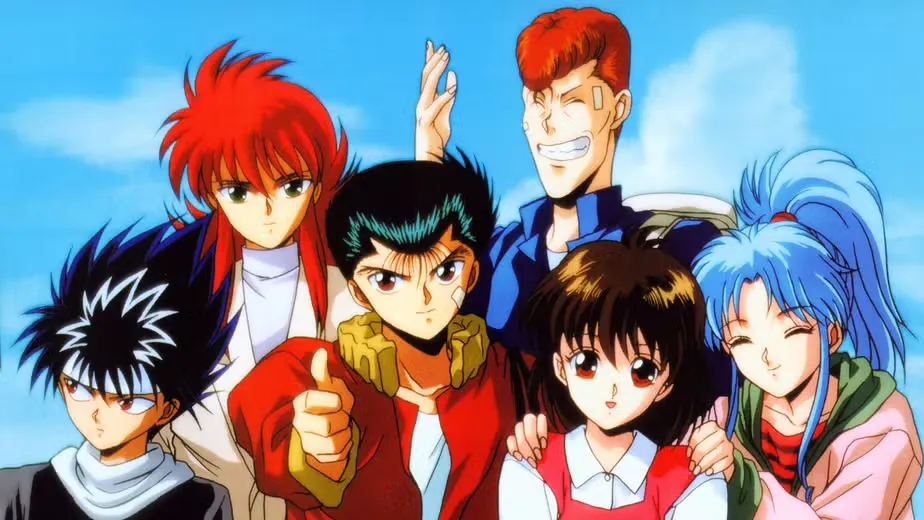
One of the secrets of anime dubbing in Brazil is localization. It is not just about translating words, but about adapting feelings and cultural contexts. Animes like Yu Yu Hakusho are famous for using Brazilian slang and expressions. This brought the audience closer to the story in a unique way. Brazilian dubbing is recognized worldwide for its creativity and technical quality.
The transition to the 2000s and new studios
With the arrival of the 2000s, new hits dominated the schedule. Dragon Ball Z and Pokémon raised the industry standard. The Álamo studio established itself as a reference in anime dubbing in Brazil during this period. The voices of Wendel Bezerra as Goku and Fabio Lucindo as Ash Ketchum are historical milestones.
In this phase, technical demands increased considerably. Fans began to pay more attention to the fidelity of techniques and technical terms. In addition to broadcast TV, cable channels like Cartoon Network and Fox Kids invested heavily in dubbed anime. The market grew and specialized studios emerged that maintain the quality standard to this day. Recently, we saw that Blue Exorcist: Saga Beyond the Snow receives a Brazilian Portuguese dub on Crunchyroll, showing the continuous strength of this market.
The impact of streaming on anime dubbing in Brazil
Currently, streaming is the main driver of the industry. Platforms like Crunchyroll and Netflix invest in simuldubs or dubs released shortly after the original premiere. This changed the pace of work in the studios. The process is now faster, but maintains strict standards for performance. Anime dubbing in Brazil has successfully adapted to the digital age.
The One Piece franchise is a great example of this new phase. After years of waiting, the series received a new dub that won over old and new fans. The success is so great that it reaches other products, such as the One Piece: Dobble card game available on the market. Fans eagerly await news, such as the fact that One Piece will have a Brazilian Portuguese dub for the Elbaph Arc soon on Crunchyroll.
Voices on YouTube and social media
The presence of official dubs has also expanded to social media. Official channels publish extra content to engage the community. A clear example is when a Dragonite short in Pokémon receives a Brazilian Portuguese dub on YouTube. This shows that dubbing is not just for the main episodes, but for the entire brand experience in the country.
What the fans say
The Brazilian anime community is extremely vocal about their dubbing preferences. On AniList, classic works with a Brazilian Portuguese dub maintain high popularity scores in Brazil. Dragon Ball Z boasts an average score of 81%, while Saint Seiya appears with 73% global approval. These numbers reflect the affection maintained for the versions we watched on TV.
In Anime Profile reviews, the sentiment is one of gratitude. "Brazilian dubbing manages to give a new soul to the characters," says an Anime Profile user. Another internet user comments that they "prefer watching with the Brazilian Portuguese dub to feel the emotion of the voices they grew up hearing." Most fans recommend the Brazilian versions for the quality of the dialogue adaptations.
The future and professional appreciation
The future of anime dubbing in Brazil looks promising with the constant increase in demand. New voice actors emerge every year, bringing freshness to the industry. At the same time, veterans continue to be respected and sought after to reprise their iconic roles. The appreciation of voice professionals is a constant topic among fans on social media.
Technology also plays an important role. Remote recordings allowed work to continue even during challenging periods. However, the human warmth and in-person direction are still seen as fundamental for the best performance. Anime dubbing in Brazil will continue to be an essential bridge between Japanese culture and the hearts of Brazilians.
Frequently Asked Questions
What was the first anime dubbed in Brazil?
Productions like National Kid and Speed Racer, in the 60s, are considered the first animes to receive an official Brazilian Portuguese dub.
Who are the most famous anime voice actors?
Names like Wendel Bezerra (Goku), Guilherme Briggs (Brook), Hermes Baroli (Seiya) and Tati Keplmair (Sakura) are among the most well-known by the public.
Where are animes dubbed in Brazil?
Most dubbing occurs in studios located in São Paulo and Rio de Janeiro, such as Unidub, Dublavídeo, Som de Vera Cruz and Vox Mundi.
Why is Brazilian dubbing considered one of the best?
It stands out for the quality of emotional performance and the ability to adapt Japanese jokes and cultural contexts to everyday life in Brazil.
