

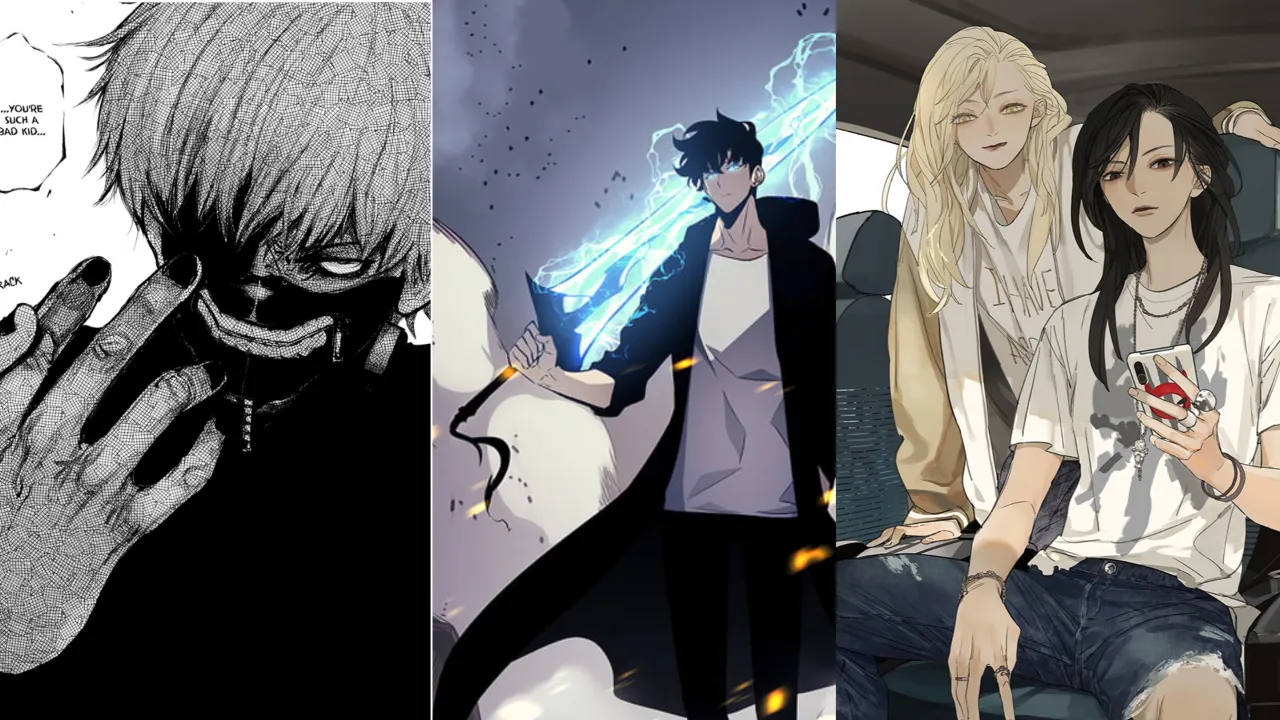

Understanding the difference between manga, manhwa, and manhua is the first step for anyone looking to explore the vast universe of Asian comics. Although the terms sound similar to Brazilian ears, they represent productions from distinct countries, each with its own visual and narrative characteristics. Many people make the mistake of calling any Eastern comic a manga. However, the place of origin dictates everything from the reading direction to how color is used on the page.
The Classic Japanese Manga
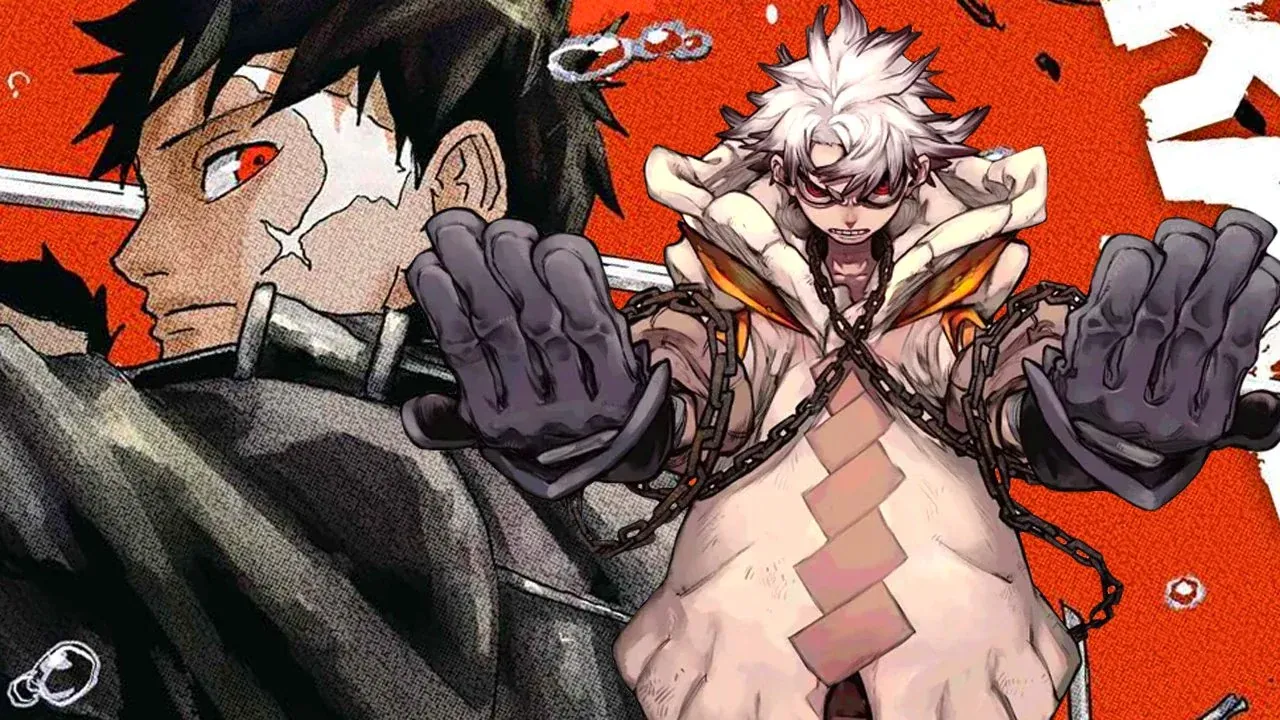
Manga refers to comics originating in Japan. It is the most popular form worldwide and serves as the foundation for most of the anime we watch. Its primary technical characteristic is the reading direction: you read from right to left, starting at the top of the page. Another key element is the absence of color. Traditionally, manga is published in black and white.
This is due to the intense pace of the Japanese industry. Authors, called mangaka, have to deliver weekly chapters for famous magazines. Recently, Shueisha launched the Manga Million platform to make global access to these works easier. The visual style focuses heavily on motion and the expressiveness of the eyes. Iconic examples include One Piece and Dragon Ball.
Manhwa and South Korea's Revolution
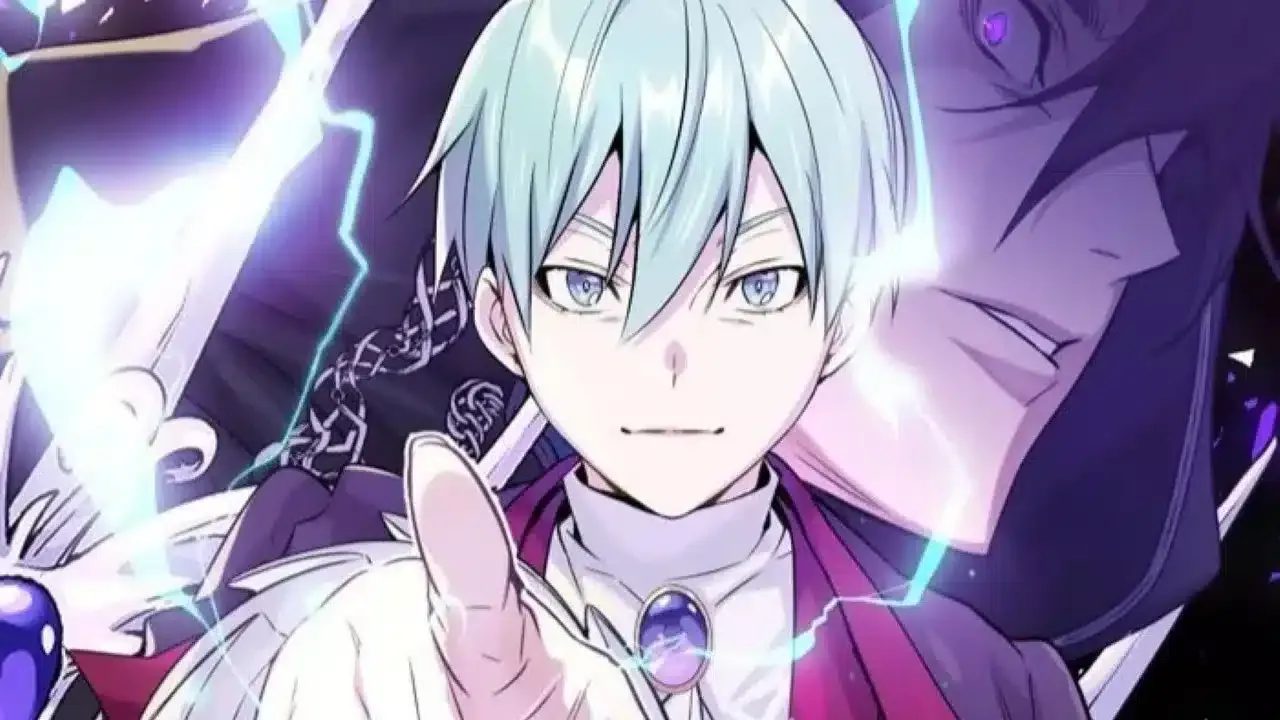
The term manhwa refers to comics produced in South Korea. Unlike the Japanese style, manhwa follows the Western reading direction, from left to right. Today, the most common format is the webtoon. These works are created specifically to be read on mobile devices via vertical scrolling. Almost all modern manhwa are fully colored.
South Korean aesthetics typically showcase characters with more realistic proportions and detailed digital backgrounds. The success of these titles is so massive that many are being turned into hit animations. A recent example is the announcement that the Solo Leveling film will adapt arcs from the manhwa canonically. Other popular titles include Tower of God and The God of High School.
The Detailed Aesthetics of Chinese Manhua
Manhua refers to comics produced in China, Taiwan, or Hong Kong. Much like the Korean style, most contemporary works are read left to right and feature vibrant colors. What often sets manhua apart is its theme and artistic style. Many authors incorporate techniques reminiscent of traditional Chinese painting, complete with lavish backgrounds and richly detailed art.
Manhua stories frequently focus on genres like Wuxia (martial arts fantasy) and Xianxia (spiritual cultivation). While not yet as widespread in Brazil as manga, it is growing rapidly on digital platforms. Titles such as The King's Avatar and Tales of Demons and Gods serve as great entry points. Some works receive 3D adaptations (donghua), which highlight the power of Chinese technology.
Key Points in the Difference Between Manga, Manhwa, and Manhua
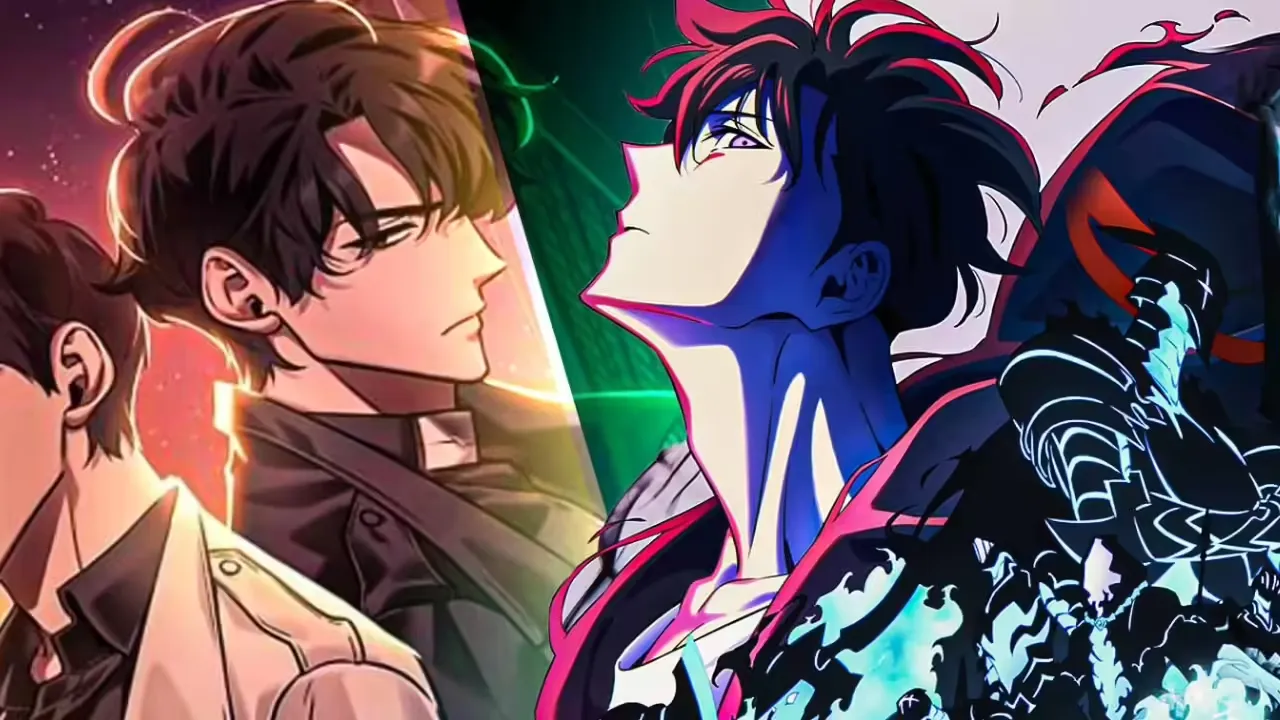
To avoid getting confused when looking for something new to read, pay attention to whether the format is physical or digital. Manga prioritizes paper and screentones to create grayscale shading. Manhwa focuses on the mobile experience and vivid digital coloring. Manhua, on the other hand, blends these elements with storytelling often rooted in Chinese mythology and history. The difference between manga, manhwa, and manhua also extends to what the creators are called.
In Japan, they are called mangaka. In Korea, the term is manhwaga. In China, manhuajia is used. It is also interesting to see how publishers are adapting to the global market. For instance, K Manga launches titles simultaneously with Japan to combat piracy. Meanwhile, the Korean market dominates monthly subscription apps.
What Fans Are Saying
Within the AniList community, popularity varies by genre. One Anime Profile user commented: "Manga still has the best fight choreography, but manhwa's colors grab my attention a lot more these days." Another reader noted that "historical manhua art is unmatched in terms of detail and beauty." One Piece remains the highest-rated manga, while Solo Leveling reigns supreme among Korean comic fans.
Frequently Asked Questions
Where can I read manga and manhwa officially?
There are apps such as Manga Plus (for manga) and Webtoon or Tapas (for manhwa). Some Brazilian publishers also release physical editions of hit Korean and Chinese series.
Why isn't manga colored?
Printing costs and production speed make it impossible to publish manga in color on a weekly basis. Over time, this evolved into an artistic tradition embraced by fans and creators alike.
Is every manhwa a webtoon?
No, manhwa is the general term for Korean comics. Webtoon is the specific digital vertical-scroll format that has become the most popular standard in Korea.
Do character names change between versions?
Yes, it's common for manhwa and manhua characters to have their names adapted to Western or Japanese phonetics when works are exported or turned into anime.
